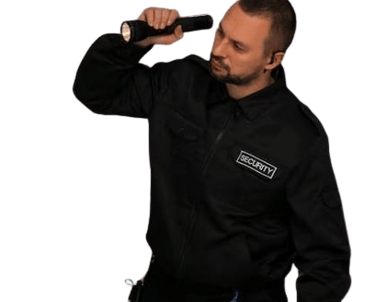
Course launching soon

Security Operations

Security

Certificate II in Security Operations (CPP20218)

Welcome to Academus Training Institute (ATI), and congratulations on taking the first step toward a fulfilling and meaningful career in the security industry!

By enrolling in the Certificate II in Security Operations, you are preparing to become a professional Security Guard—a role that is crucial to the safety and security of people, property, and the wider community. You are not just joining a course; you are stepping into a respected and growing industry with countless opportunities.

NSW Security Licence Course – Class 1A (Unarmed Guard & Crowd Controller)

As regulated by the Security Licensing & Enforcement Directorate (SLED)

This course is designed to provide the required competencies to obtain a Class 1A Security Licence in New South Wales. The licence covers both Unarmed Guarding and Crowd Control responsibilities.

Mandatory Regulatory Requirements

Before a student can begin the face-to-face portion of the course, the following must be completed:

HLTAID011– Provide First Aid: Students must hold a current certificate.

Language, Literacy, Numeracy and Digital (LLND) Test: A pre-enrolment assessment at Certificate II level to ensure the student is ready to

undertake the training.

Pre Learning Activities : Students must complete distance learning, before attending classroom training.

During the Course:

Participate actively in classroom discussions and practical demonstrations

Pass closed-book exams for each cluster

Perform successfully in real-life simulation assessments

Finish Distance-learning Activities (Distance Education)

Assessment Methodology

Each cluster in this course is assessed through:

Closed-book written exams

Practical assessment through real-life case scenarios

Students are expected to apply their learning in simulated workplace environments to demonstrate their knowledge, communication, situational awareness, and physical safety responses.

Cluster 1 – Security Industry Fundamentals

This cluster builds the foundation for understanding the legal, procedural, and safety framework that governs security work in Australia.

Units Included:

CPPSEC2102– Apply legal and procedural requirements to work effectively within a security team

CPPSEC2103– Apply WHS, emergency response and evacuation procedures to maintain security

CPPSEC2104 – Apply risk assessment to select and carry out response to security risk situations

What to Expect:

Learn about your obligations under the law Understand chain of command, teamwork, and communication in security environments Identify and assess risks, and apply self defence and safe responses to potential threats

Cluster 2 – Patrol, Monitor and Screen

This cluster trains students in procedures related to access control, property protection, and screening methods.

Units Included:

CPPSEC2107– Patrol premises to monitor property and maintain security

CPPSEC2108– Screen people, personal effects and items to maintain security

CPPSEC2109– Monitor and control access and exit of persons and vehicles from premises

What to Expect:

Develop patrolling techniques and use of surveillance tools

Perform screening activities in accordance with legal and ethical guidelines

Understand how to manage entry and exit points to prevent unauthorised access

Cluster 3 – Protect Self and Others

This unit focuses on physical response skills required to protect oneself and others while maintaining control and minimising harm.

Unit Included:

CPPSEC2106– Protect self and others using basic defensive techniques

CPPSEC2111– Apply security procedures to manage intoxicated persons

CPPSEC2112– Apply security procedures to remove persons from premises

What to Expect:

Learn how to use reasonable force

Practice non-aggressive stance, disengagement, and breakaway techniques

Respond to physical threats in simulated settings safely and legally

Cluster 4 – Manage Behaviour of Others

The most people-focused cluster, this includes behavioural control, communication, and interaction with clients and the public.

Units Included:

CPPSEC2101– Apply effective communication skills to maintain security

CPPSEC2110 – Monitor and control individual and crowd behaviour to maintain security

CPPSEC2113– Escort and protect persons and valuables

CPPSEC2105– Provide quality services to a range of security clients

What to Expect:

Manage aggressive or non-compliant individuals

Use verbal de-escalation and assertiveness techniques

Escort people and protect valuables safely

Deliver professional customer service under pressure

Important links:-

Pay Scale Guide – MA000016: Security Services Industry Award

Australia s Strategy for Protecting Crowded Places from Terrorism 2023

National Terrorism Threat Advisory System

Safeguarding Our Community Together, Australia's Counter-Terrorism Strategy 2022
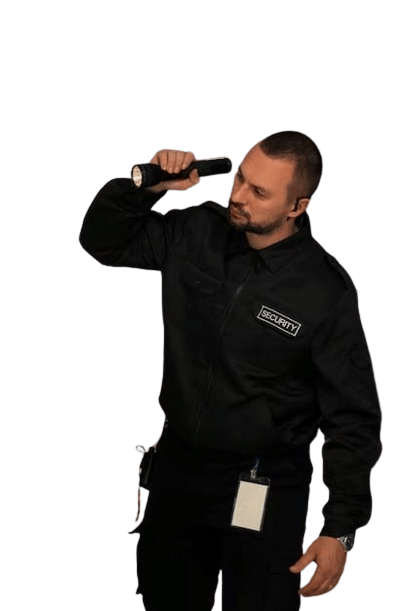
Entry Requirements

To enrol in this course, students must meet the mandatory eligibility criteria set by the NSW Security Licensing & Enforcement Directorate (SLED). All applicants must:

✔ Be 18 years of age or older

Only individuals who have turned 18 are eligible to undertake security training or apply for a NSW security licence.

✔ Hold a current HLTAID011 – Provide First Aid certificate

This qualification must be completed before enrolling in the security course. A valid First Aid Statement of Attainment must be supplied at enrolment.

✔ Provide 100 points of identification

Students are required to submit original or certified identity documents that total at least 100 points, in line with NSW Police/SLED standards.

✔ Be considered a “fit and proper person” to hold a security licence

Applicants must meet character and suitability requirements as defined under the NSW Security Industry Act and NSW Police guidelines.

✔ Meet Language, Literacy, Numeracy & Digital (LLND) standards

SLED requires all students to complete a SLED-approved Pre-Enrolment LLND Test at least one week before the course start date.
This test must be completed in person at the training campus to verify student identity and complete mandatory NSW Police paperwork.

✔ Attend the designated campus for testing and verification

The SLED LLND testing and document verification are conducted onsite at the Campus.

Am I Eligible for a NSW Security Licence?

What do I learn throughout this course?

  • Education and Training The coursework covers a wide array of topics relevant to the security industry, including legal and ethical responsibilities, risk management, communication techniques, conflict resolution, and emergency response procedures. Additionally, students learn about relevant legislation and regulations governing security operations in NSW, ensuring compliance with industry standards and best practices. These programs cover topics such as emergency procedures, report writing, legal aspects of security, and first aid/CPR.

  • Develop Good Communication Skills: Communication is key in the security industry. As a security guard, you'll need to communicate effectively with colleagues, clients, and the public. Practice active listening and learn how to convey information clearly and professionally.

  • Learn Conflict Resolution Skills: Conflict resolution is an essential skill for security guards. Learn techniques for de-escalating tense situations and resolving conflicts peacefully whenever possible. This can help prevent situations from escalating into violence.

  • Familiarize Yourself with Security Equipment: Depending on your assignment, you may need to use various types of security equipment, such as surveillance cameras, metal detectors, or access control systems. Make sure you receive proper training on how to use these tools effectively.

  • Stay Informed: Stay updated on current security threats, trends, and best practices in the industry. Subscribe to security publications, attend seminars or workshops, and participate in online forums to stay informed.

  • Attention to Detail: Being observant and paying attention to detail is crucial for a security guard. You must be able to spot unusual behavior or potential security risks and take appropriate action.

  • Remain Professional: As a security guard, you represent your employer and must professionally conduct yourself at all times. This includes dressing appropriately, following company policies and procedures, and treating everyone with respect.

  • Practice Situational Awareness: Develop a habit of constantly assessing your surroundings and remaining vigilant for any signs of trouble. This will help you respond quickly and effectively to security threats.

  • Continuously Improve: Don't become complacent in your role. Continuously seek opportunities for further training and skill development to enhance your effectiveness as a security guard.

Job opportunities

You'll be eligible to work as a security guard in various settings such as retail stores, office buildings, events, or residential complexes. Your responsibilities may include monitoring surveillance equipment, patrolling premises, and responding to security incidents.

  • Concierge Security Officer: Some establishments, particularly high-end residential buildings or hotels, may require security personnel to also fulfill concierge duties such as greeting visitors, managing access control, and providing customer service.

  • Event Security Officer: Events ranging from concerts to corporate functions often require security personnel to ensure the safety of attendees, manage crowd control, and prevent unauthorized access. Your certificate can qualify you for such roles.

  • Loss Prevention Officer: (LPO) Retail stores hire security personnel to prevent theft, monitor surveillance systems, and apprehend shoplifters. Your certificate can demonstrate your understanding of security procedures and make you a suitable candidate for these positions.

  • Mobile Patrol Officer: Some security companies offer mobile patrol services where officers travel between various locations to conduct security checks, respond to alarms, and provide a visible security presence. Your certificate can be beneficial in securing such roles.

  • Transport Security Officer: Airports, train stations, and other transport hubs often employ security personnel to screen passengers, inspect luggage, and ensure compliance with security protocols. Your certificate can be a stepping stone to entry-level positions in this sector.

Course duration and structure?

Entry requirements :- There are no entry requirements for this qualification.

LLND – Pre enrolment test

If the test result is satisfactory students can enroll for the course. On completion of enrolment, the student will be provided access to self-study through the Online Learning Management System or a hard copy. Complete Self-Studies Before students attend the class they need to complete pre-course questionaries (online or hardcopy).

Classroom study consists of 80.0 hours and is conducted in a supervised, face-to-face environment.

Fulltime ( 2 weeks) – Monday- Friday- 0800 am to 1700 One (1) hour break daily

Weekend (5 weeks) - Saturday & Sunday- 0800 to 1700 One (1) hours break daily

Evenings: Monday to Friday (17:30 to 21:30) + Sunday (0800 to 1700 ) for 3 weeks (1-hour break daily)

100% attendance is required. Any students absent from the course will require missing time to be made up for a future course.

Resources-

All the resources will be provided.

RPL- NO CREDIT TRANSFAR.